Kazi Drinking Water 500 ml: Plan Water Supplies for Meetings, Travel and Events
A meeting can have the venue, presentation and refreshments arranged, yet still leave someone looking for drinking water. For an event organiser, the practical questions begin well before guests arrive: how many bottles to order, where to receive them and how to keep reserve supplies accessible throughout the day.
A 500 ml bottle offers a clearly measured format for individual distribution. Whether that format suits your occasion depends on the schedule, the number of people attending and the other drinking-water options available.
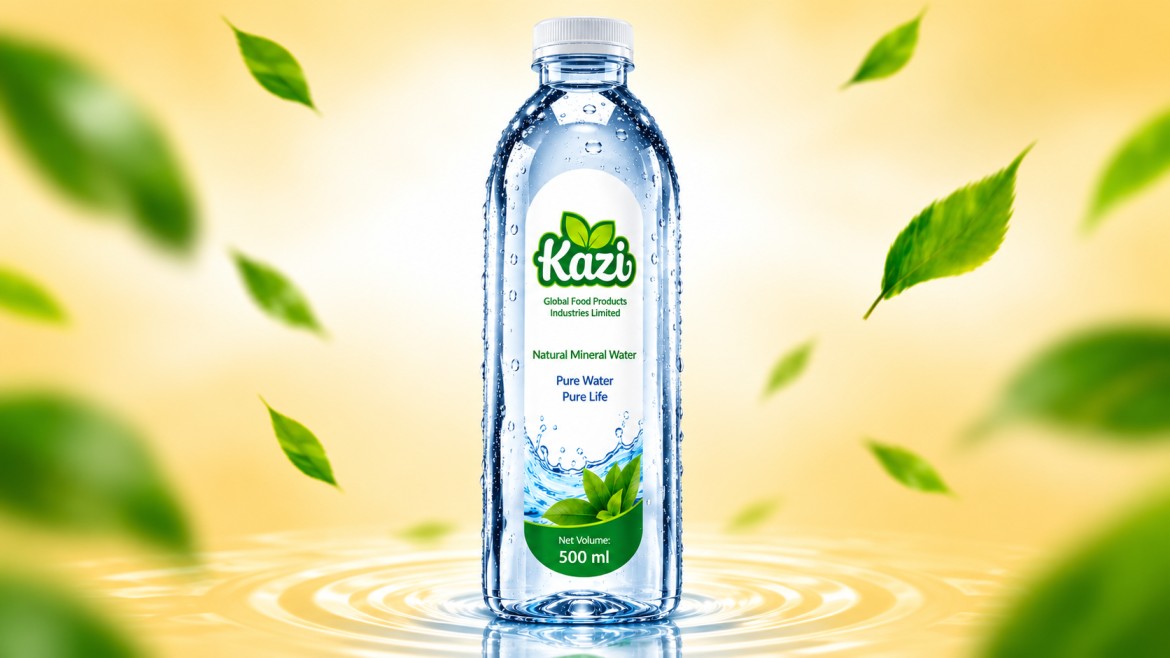
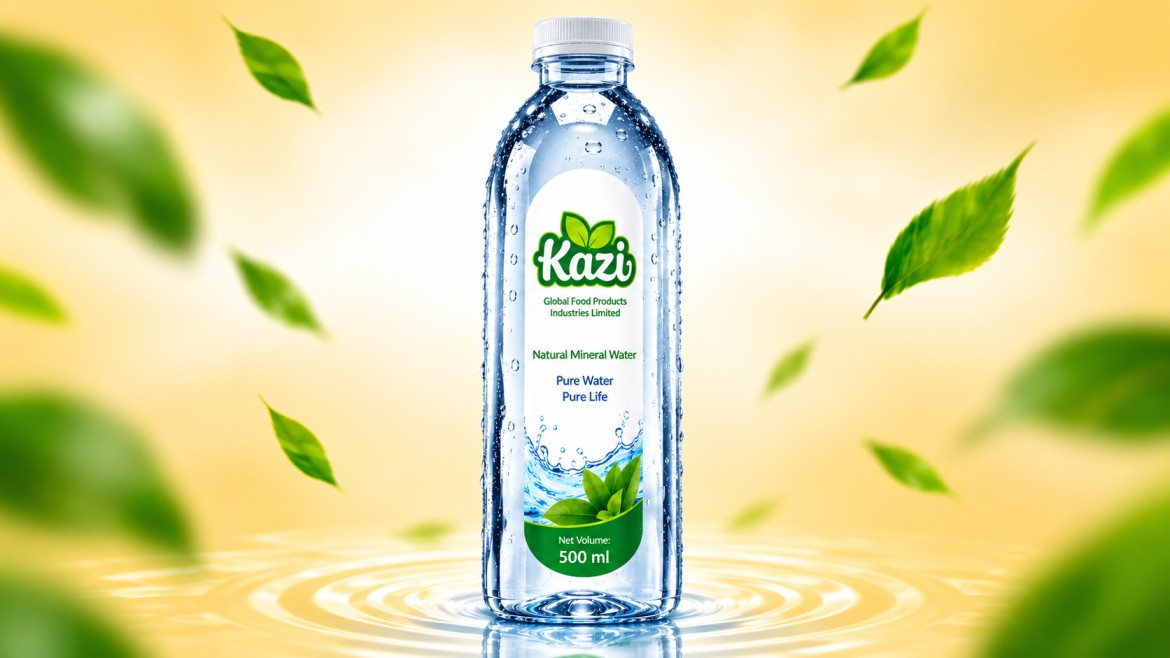
The supplied artwork shows a Kazi bottle labelled 500 ml, carrying the words “Natural Mineral Water.” Kazi Global Food’s official catalogue lists packaged drinking water within its wider product range. The artwork and catalogue wording should be reconciled with the approved retail label before purchase or publication. Kazi Global Foods
This guide focuses on practical purchasing and service decisions, without assuming an unverified water source, mineral composition or treatment process.
What the 500 ml Label Means
A bottle marked 500 ml contains a stated net volume equivalent to half a litre.
That measurement helps with ordering, storage and comparing quotations. It does not establish how much water every attendee will need or how many bottles will be sufficient for an entire day.
A short indoor meeting and a full-day event have different supply requirements. Travel, outdoor conditions, service arrangements and individual preferences also influence demand.
Use the bottle size as one part of the plan. Decide how people will access additional drinking water rather than treating the first bottle as the complete provision.
Confirm the volume on the actual delivered product, especially when a seller uses one image for several sizes.
Confirm the Exact Product Before Ordering
Begin with the product name, size and packaging format.
Ask whether the item being quoted is Kazi Drinking Water in the illustrated 500 ml bottle and whether the current label matches the image.
The distinction between “packaged drinking water” and “natural mineral water” deserves attention. Do not assume those descriptions are interchangeable for a specific commercial product.
If classification, source or mineral information matters to your purchase, request the approved label and relevant product documentation.
The bottle illustration alone cannot verify a spring source, a particular mineral profile or a specific filtration process. Clear identification at the enquiry stage helps prevent a different item from arriving on delivery day.
Choosing a Bottle Format for Office Meetings
For a meeting, consider where attendees will sit and how refreshments will be served.
Individual bottles may fit a desk-based session where people arrive at different times. Another setting may already have a suitable drinking-water station and reusable glasses.
Choose the format that works with the venue and service team. Check whether tables have enough space and whether reserve bottles can be brought in without interrupting the meeting.
Include presenters, organisers and support staff in your planning, not just the invitation list.
After the session, record how many unopened bottles remain and how many were distributed. That provides a useful reference for a similar meeting.
Planning Supplies for Conferences and Training Sessions
A longer programme needs a replenishment plan.
Review the agenda and identify breaks, meal service and changes of room. Decide where water will be available during each stage.
If bottles are placed at seats before the first session, assign someone to check supplies later. A room that was fully stocked in the morning may need attention after lunch.
Keep reserve stock in a suitable location and make sure the service team knows who can release it.
For multi-day programmes, review actual use at the end of each day. That allows the next delivery or allocation to reflect experience rather than relying entirely on the original estimate.
Calculating Bottle Quantities
Separate the number of bottles from the total volume.
For example, an initial allocation of one 500 ml bottle to each of 100 attendees requires 100 bottles, representing 50 litres of packaged water.
That is distribution arithmetic, not a recommendation that half a litre is sufficient for each person throughout the event.
Add the requirements for staff, speakers and any planned additional service. Then arrange access to further drinking water according to the event’s needs.
Use records from comparable events where available. A documented pattern of actual consumption is more useful than an unsupported promise that one carton will cover a fixed number of guests.
Confirm the Number of Bottles per Carton
Do not assume a standard carton count.
Ask the supplier to state the number of bottles in each carton and the volume per bottle. Both details should appear in the quotation.
For illustration, if a confirmed carton contains 24 bottles, an order of five cartons would contain 120 bottles. At 500 ml each, that would represent 60 litres.
The 24-bottle carton is hypothetical here; Kazi’s actual carton configuration must be confirmed.
Check whether the supplier permits individual-bottle purchases or only full cartons. That affects how the final quantity is rounded and how much reserve stock you may receive.
Receiving Bottles at the Venue
Decide who will accept the delivery before placing the order.
Give the supplier a clear delivery address, access instructions and an appropriate contact person. If the venue has a designated receiving area, confirm its operating hours.
On arrival, compare the delivery with the invoice or order confirmation. Check the product, bottle size, carton count and packaging condition.
Inspect for damaged bottles, leakage or visibly compromised caps. Keep the batch and date information available if a question needs to be raised.
Record discrepancies promptly and follow the supplier’s agreed process. A clear receiving routine is particularly useful when several vendors are delivering event supplies at the same time.
Read the Bottle Label
The current label should be the reference for product-specific information.
Check the product description, net volume, responsible business details, batch identification, relevant date markings and storage instructions.
Where applicable, verify any certification or licence information with the relevant documentation rather than relying only on an unfamiliar logo.
If a business requires a technical specification or testing information, request documents that clearly identify the product and their relevant scope.
Do not infer quality from transparency, bottle colour or decorative scenery. Appearance can help identify the product, but it does not independently establish the water’s composition or production conditions.
Check the Cap and Packaging Condition
Before distribution, inspect the cap and any tamper-evident feature provided on the actual bottle.
If the closure appears damaged, the bottle leaks or its condition raises a concern, set it aside and contact the supplier rather than distributing it.
The promotional image does not verify the precise closure design used in every retail batch. Assess the delivered item.
Keep bottles identifiable during service. Avoid arrangements that make opened and unopened bottles difficult to distinguish.
For a reception desk or meeting room, a simple separation between reserve stock and bottles already offered to guests helps the team manage supplies clearly.
Store According to the Product Directions
Follow the storage instructions printed on the current label.
Plan a clean, appropriate storage area before ordering several cartons. Keep water separate from cleaning chemicals and protect bottles from damage.
Do not leave reserve stock wherever space happens to be available without checking whether the location suits the product’s directions.
If the venue wants to serve chilled bottles, confirm suitable equipment and capacity in advance. Chilling arrangements should fit the label guidance and venue procedures.
Keep date and batch information readable. Organise stock so suitable earlier deliveries are used before newer ones where appropriate.
Travel and Group Transport
For a group journey, consider when bottles will be distributed and where additional drinking water will be available.
A bottle handed out at departure is only one part of the travel plan. Longer journeys may need further supply arrangements at stops or the destination.
Confirm that storage and transport conditions follow the product directions. Avoid loading cartons where they may be crushed or exposed to unsuitable conditions.
Include drivers, guides and support staff in the count.
For repeat trips, record the quantity issued and unopened stock returned. Those figures help you plan the next journey more accurately without assuming every group uses the same amount.
Home and Guest Use
At home, purchasing decisions may be simpler, but the same product checks apply.
Confirm the bottle size, read the label and inspect the closure. Choose a quantity that fits your normal use and storage space.
If keeping bottled water for visitors, organise it so the product information remains available and the condition can be checked before serving.
For a family gathering, plan access to additional water rather than relying on a fixed bottle allocation.
The best pack format is the one that suits the actual setting. A 500 ml bottle may be convenient for individual distribution, while another arrangement may better fit a shared dining table.
Compare the Full Delivered Price
Begin with equivalent quantities.
Compare quotations for the same bottle volume, bottle count and delivery location. A low carton price can be misleading if the cartons contain different numbers of bottles.
Calculate both the price per bottle and the price per litre if useful. Include transport, handling and any other stated charges.
Ask whether delivery includes unloading and placement in the agreed receiving area.
For recurring supply, confirm how price changes and order lead times will be communicated. Clear terms are more useful than assuming that the first quotation applies indefinitely.
Buying for Shops, Restaurants and Event Businesses
Retailers should track sales by size and location. Restaurants should estimate demand from service patterns, while event businesses should calculate requirements for each programme.
Before arranging repeat supply, confirm the exact product, bottle size, carton count and handling requirements.
Evaluate an initial delivery for packaging condition and whether the supplier meets the agreed schedule. Keep invoices and batch information for reference.
When comparing a wholesale supplier in Bangladesh, assess communication and delivery arrangements alongside price.
A supplier relationship becomes easier to manage when both parties understand the specification, quantity, destination and process for resolving shortages or damaged packaging.
Prepare a Specific Wholesale Enquiry
Identify the product as Kazi Drinking Water 500 ml, subject to confirmation of the current approved product name.
State the bottle or carton quantity, delivery location, required date and expected ordering frequency.
Ask the supplier to confirm bottles per carton, current pricing, minimum order quantity and delivery arrangements.
Kazi Global Food’s wholesale enquiry form accepts product, quantity, packaging and delivery requirements. kaziglobalfood.com
For international enquiries, specify the destination and request relevant documentation for the proposed shipment. A company name or overseas contact address does not by itself establish eligibility to supply every market.
The Company Behind the Bottle
Kazi Global Food Products Industries Limited describes itself as a Bangladesh-based food product company with activities covering processing, manufacturing, packaging and distribution. Its portfolio includes beverages alongside everyday food products. kaziglobalfood.com
For buyers comparing food and beverage companies, that information identifies the business behind the range.
The slogan “Your Trusted Food Products Brand” expresses a brand promise. Customers can assess it through accurate product information, responsive service and their purchasing experience.
The current label and written quotation remain essential references for a particular water order.
Photo Gallery