Kazi Premium Atta: Build a Better Routine for Roti and Paratha
A batch of roti can turn out differently even when you use the same flour. One morning, the dough rolls easily. Another day, it sticks to the board or needs more work at the edges. The difference may begin with an extra splash of water, an unmeasured scoop of flour or a change in how long the dough rests.
That makes a clear preparation routine useful. Start with a recipe suited to the bread you want to make, measure its ingredients and observe the dough before changing anything.
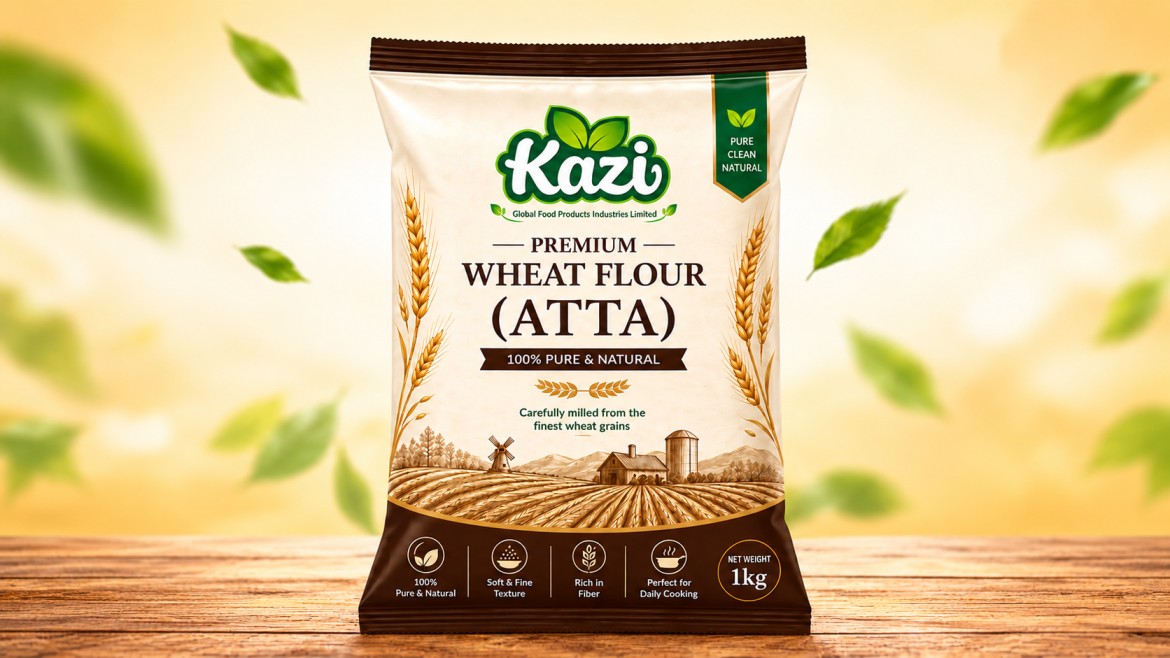
Kazi Premium Wheat Flour (Atta) is a product from Kazi Global Food Products Industries Limited. Its official listing identifies roti, chapati and paratha as common uses, according to each recipe’s requirements. The supplied artwork shows a pack marked 1 kg. Kazi Global Foods
This guide explains how to approach those preparations and use your kitchen’s results to plan future purchases.
Choose the Bread Before Mixing the Dough
Roti, chapati and paratha may share ingredients, but their recipes can involve different proportions, shaping methods and cooking stages.
Read the complete method before opening the pack. Check whether it specifies water, fat, salt or another ingredient, and whether there is a resting stage.
For paratha, identify whether the method calls for layering, folding or stuffing. Each approach places different demands on preparation.
Avoid mixing the ingredient quantities from one recipe with the shaping instructions from another during a first attempt.
Choosing one complete method gives you a clearer starting point. Once it works in your kitchen, you can make deliberate adjustments rather than guessing during the process.
What to Check on the Kazi Atta Pack
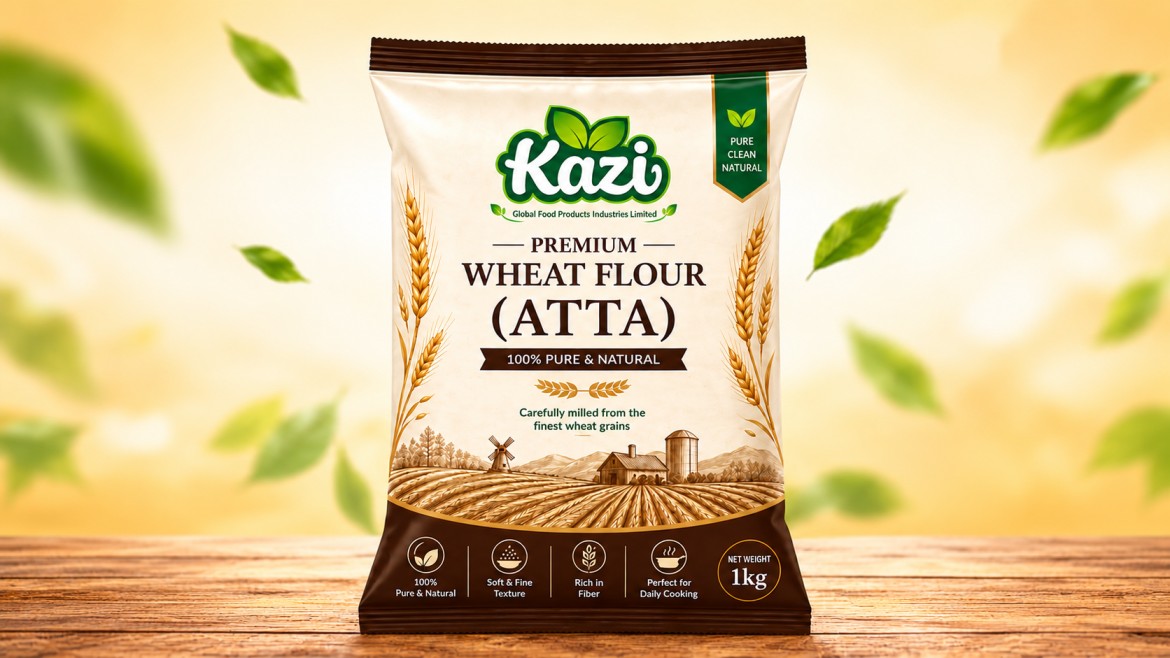
The pictured pack identifies the product as Premium Wheat Flour (Atta) and displays a net weight of 1 kg.
Read the current retail label for the declared ingredients, responsible business details, batch identification, dates and storage directions.
The front artwork includes statements about fibre, purity and texture. Those claims should match approved product information and supporting documentation.
Do not assume a particular whole-wheat percentage, extraction rate, protein content or milling method unless the company confirms it.
If you need flour for a recipe with a specific technical requirement, ask for the relevant specification before purchasing a large quantity.
Weigh Flour for a Clear Starting Point
A cup filled by scooping directly from the bag may contain a different quantity from one filled using another method.
When a recipe gives grams, use a kitchen scale. Record the dry flour weight before adding liquid.
If the method uses cups, follow its measuring instructions consistently. Use the same cup and filling method when comparing batches.
Keep any flour used for dusting separate from the amount mixed into the dough. Otherwise, it becomes difficult to understand how much flour the preparation actually used.
This distinction is particularly helpful when estimating costs or planning several batches for a café or catering order.
Add Water According to the Recipe
Begin with the water guidance in your selected recipe and any relevant pack instructions.
Add it in the stages described by the method rather than pouring an unmeasured quantity into the bowl.
Keep track of any additional water. A recipe note is more useful when it records the full amount used rather than only the initial measurement.
There is no verified universal water ratio for Kazi Premium Atta in this article. Flour characteristics, other ingredients and preparation methods can influence the amount required.
For a first trial, keep the flour weight and recipe steady. Observe the dough before deciding whether an adjustment is necessary.
Assess the Dough at the Right Stage
A dough can feel different immediately after mixing and after the recipe’s kneading or resting steps.
Follow the complete method before deciding that the mixture needs substantially more flour or water.
Look for the consistency described by the recipe. If it says the dough should be workable and cohesive, use those cues alongside its measurements.
Adding several unrecorded handfuls of flour can make a sticky mixture easier to handle temporarily, but it also changes the preparation.
When you make an adjustment, record it. The next batch can then begin closer to the quantity that suited your kitchen.
Kneading: Follow a Repeatable Method
Kneading instructions should be interpreted within the recipe you are making.
A short mixing step and a more developed kneading stage are not automatically equivalent. Follow the method’s description of how the dough should look and feel.
Use an appropriate work surface and keep the preparation area organised. Have measuring equipment and any additional ingredients ready.
For a shared household routine, explain the method clearly enough for another person to follow. “Knead until ready” may be familiar to one cook but unhelpful to another.
A repeatable process makes it easier to understand whether a later difference comes from the ingredients or the handling.
Give Resting Instructions Their Place
If a recipe includes a resting stage, account for it in the meal schedule.
Follow its guidance on covering and handling the dough. Avoid leaving the mixture exposed while other parts of the meal are prepared.
Do not assume that skipping the rest and adding extra water will reproduce the intended result.
For a trial batch, record the resting stage alongside the ingredient measurements. That detail helps explain why the dough rolled differently on another occasion.
Commercial kitchens should also plan where batches will be held and how they will be identified, following appropriate food handling procedures.
Portion Before Rolling
Divide the dough according to the recipe’s intended bread size.
Consistent portions make it easier to roll similar shapes and evaluate the cooking method. If one roti is much thicker than another, their results may differ even on the same pan.
For businesses, weighing dough portions can support consistent serving sizes.
Record the number of portions produced from a batch. This gives you a practical basis for estimating flour requirements.
Remember that dough weight includes water and other ingredients. It is different from the dry flour quantity used for purchasing calculations.
Rolling Roti and Chapati
Follow the recipe’s guidance on rolling thickness, shape and dusting.
Use only the dusting flour needed for the method and keep track of it during a controlled trial. Excessive unmeasured additions can make comparisons less useful.
Try to keep the thickness reasonably consistent across each piece rather than focusing only on producing a perfect circle.
If the dough resists or sticks, review the recipe’s handling and resting instructions before making several changes.
For a first assessment with a new flour pack, use the same board, rolling pin and bread size you normally use. Familiar equipment reduces unnecessary variation.
Paratha: Account for Every Ingredient
Paratha preparation may use fat in the dough, between layers and during cooking. Read those stages before measuring.
Keep the quantities separate so an ingredient is not accidentally added twice or left out.
If preparing a stuffed paratha, choose a recipe designed for that filling. Its moisture and texture can affect rolling and handling.
Assess the finished bread with its intended accompaniment. A richer layered paratha may fit a different meal from a simpler flatbread.
For a café or caterer, document the filling weight, dough portion and cooking additions together. That complete record supports both consistency and purchasing.
Cooking Equipment Is Part of the Method
Follow a recipe suited to the pan, tawa or equipment you are using.
A different cooking surface or heat source can change the process. Keep those conditions steady during an initial comparison.
Use the recipe’s cues for turning and finishing rather than assuming that every piece needs an identical number of seconds.
Assess the bread after the preparation is complete and in the form you intend to serve.
No independent roti or paratha trial of Kazi Premium Atta is claimed here. Product-specific cooking observations should come from documented preparation using the actual flour.
Plan a Complete Breakfast or Dinner
Think about the bread alongside the rest of the meal.
Roti may accompany dal, vegetables, egg or another household favourite. Paratha may be served with a different combination depending on the occasion.
The menu affects how many pieces people are likely to take. A small breakfast portion is not necessarily equivalent to a dinner serving.
Use a meal you have already served as a reference. Record the dry flour used, the number of breads and what remained.
That gives you a more useful purchasing estimate than assigning a fixed serving count to every 1 kg pack.
How Much Can You Make From 1 kg?
The pictured pack contains a stated net weight of 1,000 g.
For illustration, if your own tested recipe uses 250 g of dry atta per batch, a 1 kg pack provides enough flour for four equivalent batches, before accounting for dusting or other uses.
This is purchasing arithmetic, not a recipe recommendation or verified product yield.
The number of breads depends on portion size and preparation. Record the output of your own batch instead of assuming a universal count.
For events, calculate the recipe requirements first, then confirm how many packs are needed.
Store Atta According to the Label
Follow the storage directions on the current pack.
Protect the flour from moisture and contamination, and close it appropriately after opening. Use clean, dry utensils.
If transferring it into another suitable food container, retain the original product identification, batch and dates. Label it clearly if your kitchen holds several flour types.
Keep deliveries identifiable and rotate stock appropriately.
Dry flour and prepared dough have different handling requirements. Follow guidance suitable to the dough’s ingredients and intended preparation rather than applying the dry pack’s shelf-life information to the mixed product.
Buying for Restaurants, Shops and Catering Businesses
Retailers should consider customer demand, pack sizes and stock turnover. Commercial kitchens should calculate requirements from recipe weights and production schedules.
Before arranging recurring supply, evaluate the exact product being quoted in a familiar recipe.
Record the flour weight, liquid, handling method, equipment and finished portions. Compare later deliveries against that documented preparation.
When assessing a wholesale food supplier in Bangladesh, ask about available specifications, pack sizes, minimum order quantities and delivered cost.
Clarify how damaged packaging, shortages or incorrect items will be handled. Written terms make comparisons easier than relying on a price alone.
Prepare a Clear Wholesale Enquiry
Identify the product as Kazi Premium Atta and specify the required pack size.
Include the quantity, delivery location, intended use and expected ordering frequency. If a particular specification matters, state it clearly.
Kazi Global Food’s wholesale enquiry form accepts product, quantity, packaging preferences and delivery requirements. kaziglobalfood.com
For international enquiries, name the destination and request confirmation of relevant documents and eligibility for that shipment.
Export capability and technical claims should be established for the proposed order. Unsupported company rankings should not replace product checks or clear supply arrangements.
The Company Behind Kazi Premium Atta
Kazi Global Food Products Industries Limited is identified on the official listing as the company behind Kazi Premium Wheat Flour. Kazi Global Foods
The company describes its activities as including food processing, manufacturing, packaging and distribution across a wider everyday product portfolio. kaziglobalfood.com
For buyers comparing food company brands, that provides company context. Current product specifications remain essential for an individual purchase.
The slogan “Your Trusted Food Products Brand” expresses a promise customers can assess through accurate information, responsive communication and their own experience.
Photo Gallery